 Dávid Bárdos


 My Computer
 Categories
 Network neighborhood
 Degoogling
 Along the Edge
 My oldest things
 My Phones
 Custom Font in JetBrains Terminal
 Snowfall
 Refactoring: Yeelight GUI
 Gaming backlog
 Clean patching
 Company culture
 KDE Neon
 Blaugust - Summary
 About Gridranger
 Space Colony
 Friendships in my life
 Jousting in video games
 Helsinki Biennial
 Data & Encryption
 Intro through traits
 Hospital visit
 Win 3.1 nostalgia
 Poets of the Fall
 Project done!
 Video games that made me learn
 Treasure of the Pirate King
 Chimera Squad
 About the icons
 Family history
 Random facts about me
 Discovering the web-browser module

Road 96 - My Journey
⚠️ Content warning: This post stream is not about video games but addresses deeply sensitive topics that may be distressing for some. Please proceed only if you feel prepared.
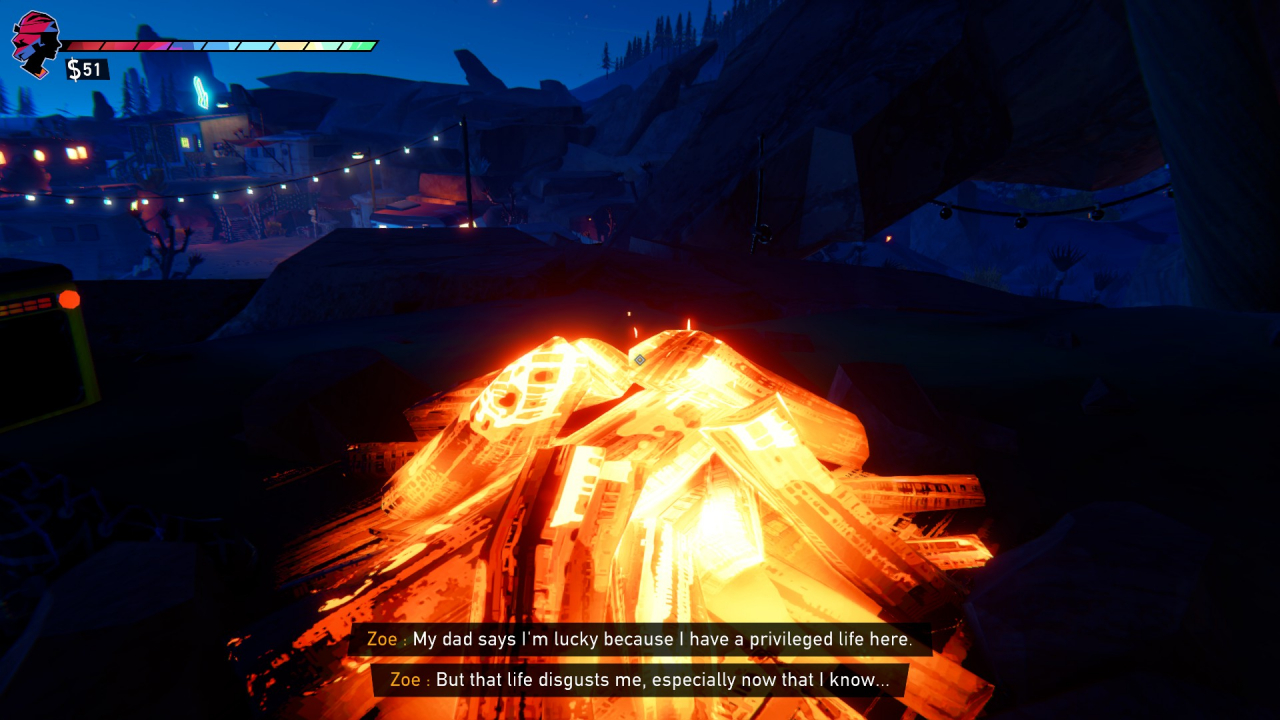
The game
I rarely buy full-price video games, and before buying anything I always think carefully to avoid impulse buys. But Road 96? I bought it as soon as I read about it. And I played it through on the very same Saturday. This was in the summer of 2022.
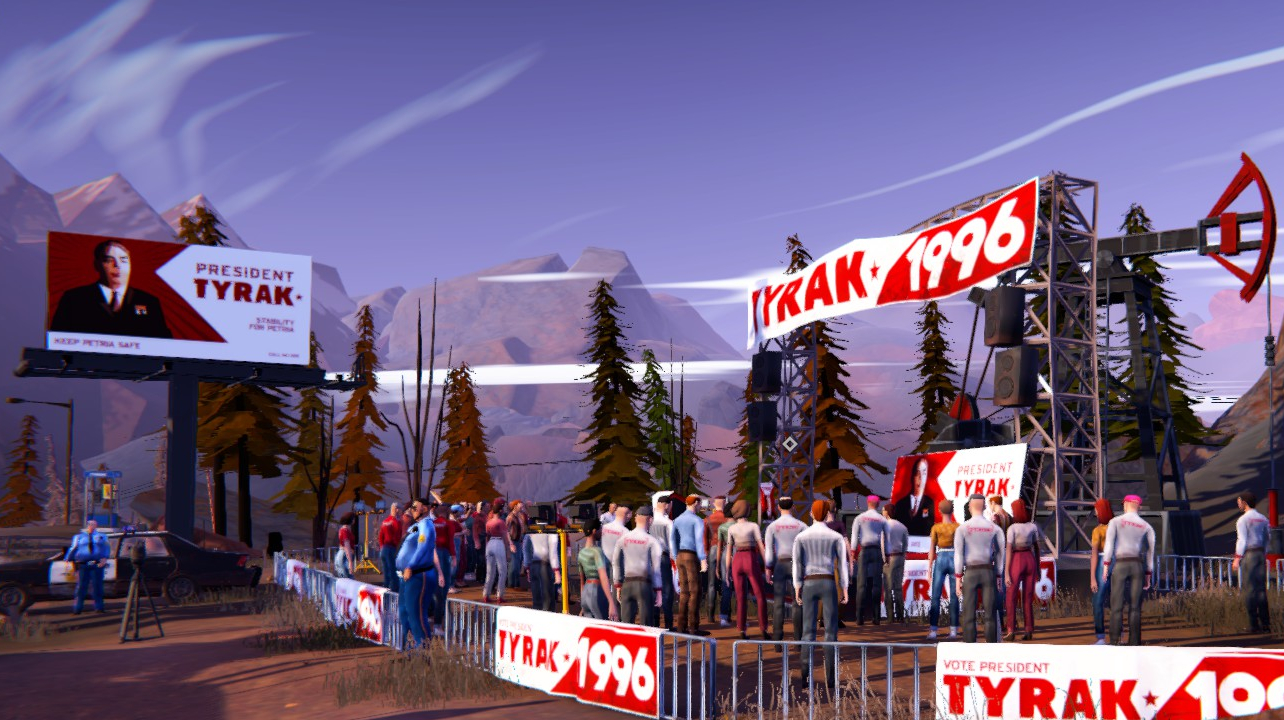
I was twice as old as the teenagers in the game’s story, who try to flee across the border. Even at the cost of their lives, they want to leave Petria behind. This fictional country is a modern dictatorship masquerading as a democracy, much like what my homeland has become since 2010.
Even though I played the game in my mid-thirties, I wanted exactly what those teenagers did: to escape the country and never look back. Experiencing their story made me both envious and inspired.
In this post stream I'll write about my journey. One where the miles traveled were perhaps the simplest part.
Reasons to leave
You might wonder what were my reasons. I was privileged: a cis, straight, white man. I had friends, a job I loved, and a stable income.
But beyond the walls of my home and the windows of my office, the world around me was utterly inhuman. Outside, there was a country where the government mocked and targeted anyone who wasn’t cis or straight. The elderly were pushed to the margins of society. Homelessness wasn’t met with support, but with criminalization. Everyone had learned to look the other way when a child was beaten or a woman harassed in broad daylight. Domestic violence had somehow become part of the 'traditional values'. Rapists were kept in high regard and pedophiles preached about family values. Grifters were considered clever, while being honest was seen as a weakness. The stress festered until some people snapped and lashed out at strangers in the street, simply because the media had labeled them 'agents of external enemies'.
I didn’t want to live in a world like this. But I felt completely powerless. I voted in elections. I attended peaceful protests and supported NGOs fighting for good causes and protection of victims. There was, however, a trap in all of this. Even the greatest effort failed to bring any deep change. And in the meanwhile, all of us who were trying, were sustaining this whole aberrant system with our taxes.
I couldn't stomach funding a regime actively building a patriarchal fascist dictatorship under the guise of EU membership. My tax money is also my vote. I wanted it to support a country that upholds humanist European values.
The only way for me was to move.
Examples to follow
As a child in the early 1990s, family acquaintances would visit when they came home from abroad, where they worked and lived. They had moved to Austria and Germany during the communist period. They left to break free from a system that had taken an entire country hostage. As a child, I did not understand this. But after a temporary easing, when a Russian puppet government came to power again in the 2010s, I understood why they had chosen to emigrate.
I remember that when I was a small child, my grandparents took my sister and me to visit a friend of theirs whose son had just come home from Germany for a visit. As I listened to the conversation while quietly eating cake, I sensed something alongside the joy and pride. Something no one said out loud, but everyone felt. Moving abroad is very hard. For those who stay behind and for those who leave alike. He must have had a serious reason to make that decision.
At the time, I didn’t find the idea frightening or liberating; I simply accepted it with a child’s matter-of-fact understanding that there could be a reason important enough to make it worth taking on.
Forces that hold people back
I wasn't the only one thinking that way. Every year, roughly a city’s worth of people leave the country, about 30 to 40 000 in total. And even more people would like to do so.
Yet so many who long to leave never do. Some stay because of elderly parents, for example. Others believe that moving abroad would be too disruptive to their children’s lives. As if anything could be worse than the inhumane, steadily deteriorating public education system at home. There are also those who think they would not be able to cope in another language, another environment, or on their own. Moving can also mean losing existential stability, falling back in career or even losing your prospering business entirely. As many people, as there are reasons.
Judging by the government’s rhetoric, it seems very deliberate that citizens are meant to be kept in place by precisely reasons like this. The whole country has become a prison. People have lost their freedom. They had no way to fight back, and although there are no walls, most will never leave.
Because doing so demands painful sacrifices from you and your loved ones, if you even have the means to leave at all.
My country’s prime minister stated that citizens living abroad are, in fact, traitors. Ironic that a government voting in Moscow’s favor within the EU, and having suffocated democracy at home, labels as traitors those citizens who refuse to become its hostages. But it's better to be taken seriously. In the 1950s, those who emigrated were declared enemies of the state. Their property was seized, they were sentenced to prison or forced labor in absentia. The authorities also ruined the lives of the family members they left behind.
Deciding where to go
We weren’t sure how long the country would remain in the EU or how long the borders would stay open, so we didn’t want to delay our move too long.
Canada, Finland, US, UK. These are the countries I remember from the shortlist we wrote with my wife. Because of the rise of populism, we’ve removed the last two from our list. We didn’t want to jump out of the frying pan into the fire.
In the end, we chose Finland. I had worked for a Finnish company for ten years, and it was far more humane than most multinationals. I loved working with my Finnish colleagues. When I was there on a business trip in 2022, I was struck by how seamlessly technology and nature coexisted. Respect for nature was also important to us.
We didn't expect Finland (or any other country) to be perfect. But we knew that Finnish people respect human rights, and are generally more honest and solution focused than the society was around us. We didn't think that life will be easier or our financial situation would improve, but we knew we could expect a fairer and more mentally healthy environment. A place to live without compromising who we are.
To be continued...